
The workforce platform for
autonomous & BVLOS drone operations.
3D simulation + FAA Part 107 / 108 / 137 compliance, built to scale commercial pilot training 10× faster than physical flight schools. The commercial UAV market is on track from $28B to $52B by 2033, and the bottleneck isn't aircraft, it's certified operators.
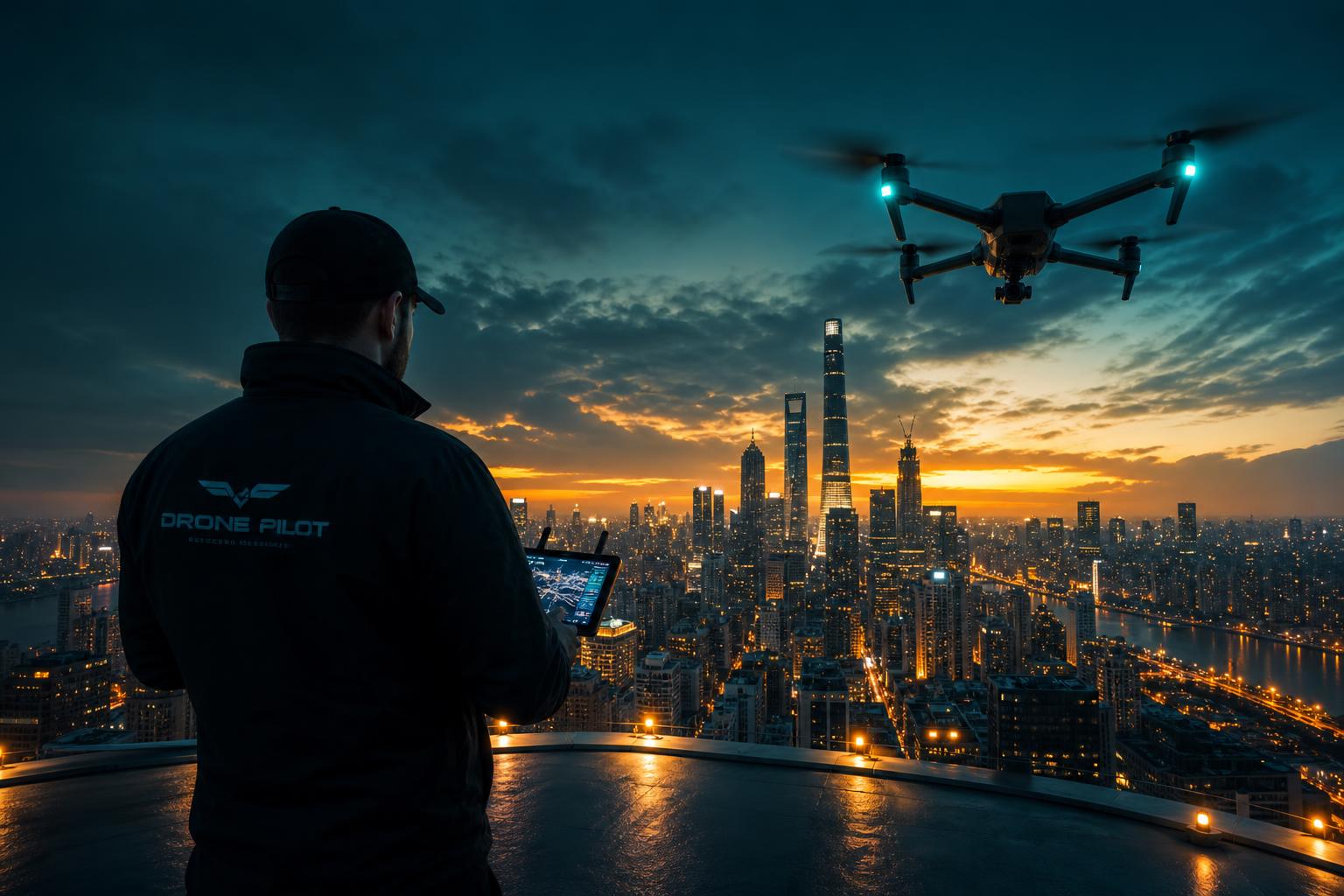
Wind-turbine inspection, LiDAR grid flights, SAR ops, and BVLOS delivery, over real terrain.
> Open 3D SimulatorNEW HERE? START WITH ONE OF THESE
Fly photoreal terrain anywhere on Earth with live weather and FAA airspace alerts.
Open the simulator →A short Part 107 lesson you can finish in a few minutes, no account required.
Start the lesson →Branching scenarios that score how you handle lost link, traffic, and airspace pressure.
Pick a scenario →The AI-enabled workforce platform for autonomous & BVLOS drone operations.
3D simulation + FAA Part 107/108 regulatory compliance, built to scale commercial pilot training 10× faster than physical flight schools, the workforce bottleneck behind every enterprise drone program.
Certification + Simulator
FAA Part 107 / 108 prep with practice quizzes and tests, paired with a true 3D flight simulator. One subscription replaces textbooks, physical drones, and insurance headaches.
~$10,000 saved per pilot
Enterprise teams avoid crashed drones, damaged infrastructure, and resulting litigation & insurance obligations. Burn pixels, not airframes.
FAA Part 108 · BVLOS 2026
Beyond-Visual-Line-of-Sight rules unlock autonomous delivery, inspection, and public safety at scale, and the U.S. needs 100K+ certified operators. Physical flight schools can't keep up. Simulation can.
The FAA needs 100,000+ certified operators by 2028.
Physical flight schools can't train them in time.
FAA Part 108 lands in 2026, unlocking Beyond-Visual-Line-of-Sight (BVLOS) and autonomous operations for the first time at commercial scale. Amazon, Walmart, Zipline, Wing, every utility and public-safety agency, all need certified operators they can't hire. The wedge isn't aircraft. It's the workforce.
Train the scenarios you can't fly IRL
Detect-and-Avoid reaction drills, lost-link contingencies, controlled-airspace handoffs, automated approach procedures. The exact Part 108 competencies regulators will test, practiced safely, repeatedly, until reflex.
Mission Managers, not stick pilots
The next decade isn't about flying one drone, it's about supervising fleets. We train operators to plan autonomous missions, monitor swarm telemetry, and intervene when AI hands control back. That's the $70K–$130K job.
Simulation-first workforce ops.
Better operators. Lower risk.
Every hour in the sim makes your crews sharper in the field, safer on the job, and faster to mission-ready status. No bent props. No scrubbed weekends.
One platform. Certification, simulation, and mission readiness at scale.
An end-to-end workforce platform: FAA Part 107 / 108 / 137 compliance curriculum with practice quizzes and tests, paired with a true 3D flight simulator that flies anywhere on Earth, every city, farm, and coastline, with live weather, real sun position, and day/dusk/night lighting. Burn pixels, not airframes.
Cheaper than crashing real hardware
One bent prop near a 400kV line is a million-dollar incident. One crashed airframe costs more than a year of simulator seats for your whole flight department. Our simulator saves enterprise teams approximately $10,000 per pilotby replacing expensive physical drone crashes, eliminating damage to infrastructure, and avoiding the resulting litigation and insurance obligations.
Operator readiness for higher-stakes missions
Prepare your operators for ag spray runs, BVLOS delivery, LiDAR survey grids, and contested-airspace SAR ops before they ever spin a real motor. The crews that rep harder here get cleared faster out there.
Safer way to face the hard days
Crosswinds, gust fronts, urban canyons, contested airspace. Practice the missions you'd normally scrub, and walk in on day one calmer, quicker, more confident than the crew beside you.
Free mission scenarios for solo operators
Flying on your own? Pick a mini-mission below to sharpen stick skills before you step up to the full simulator.
Gate Run 3D
Fly through as many cyan gates as you can before the timer hits zero. Speed increases with every gate you clear.
Desktop: WASD or Arrow keys to steer
Mobile: Drag anywhere on screen to steer
Where simulator hours pay back fastest
The commercial drone market is shifting from hobby pilots to Autonomous Mission Managers and Flight Coordinators running multi-thousand-dollar systems. We build the workforce for the missions that hire.

Energy & Utilities
Wind-turbine blades, transmission lines, substation thermography. One bent prop near a 400kV line is a million-dollar incident.
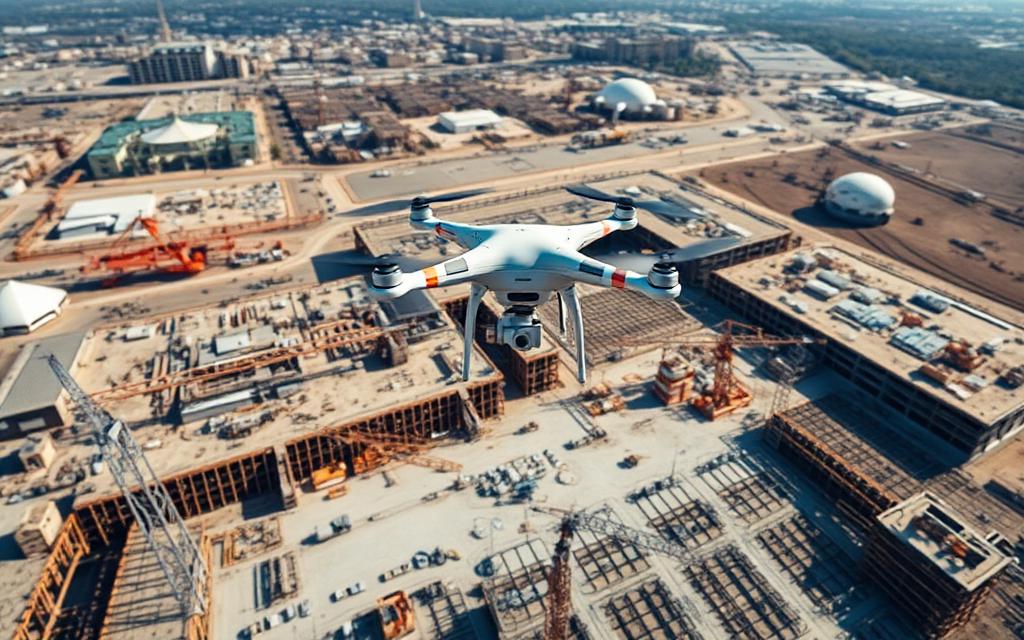
Construction & 3D Mapping
LiDAR grid flights and photogrammetry that survive client QA, no costly re-flies.
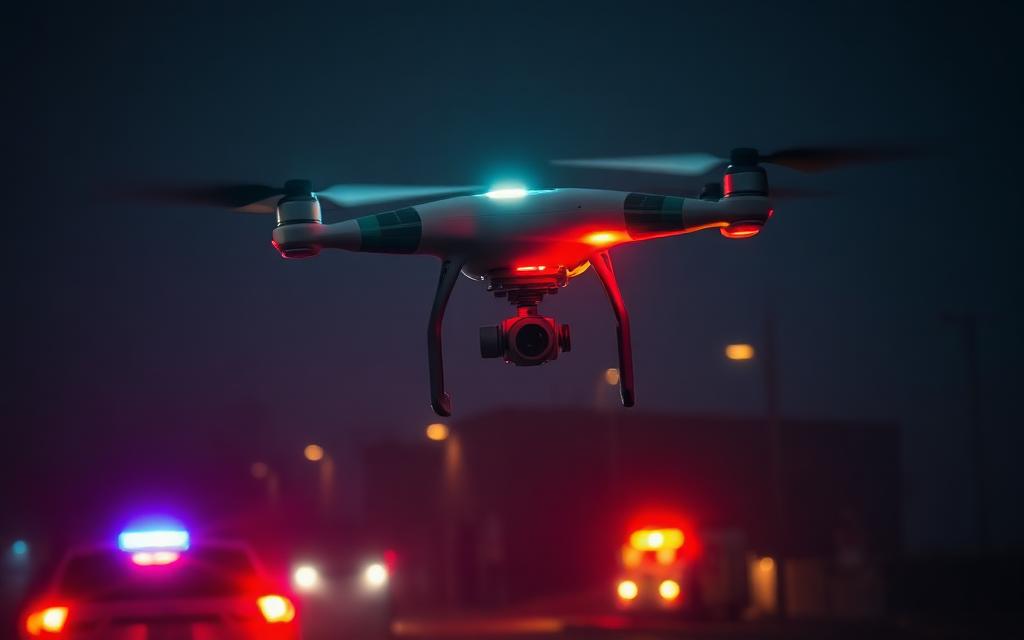
Public Safety & SAR
Night ops, IR cueing, contested-airspace coordination. Train the call before it comes in.
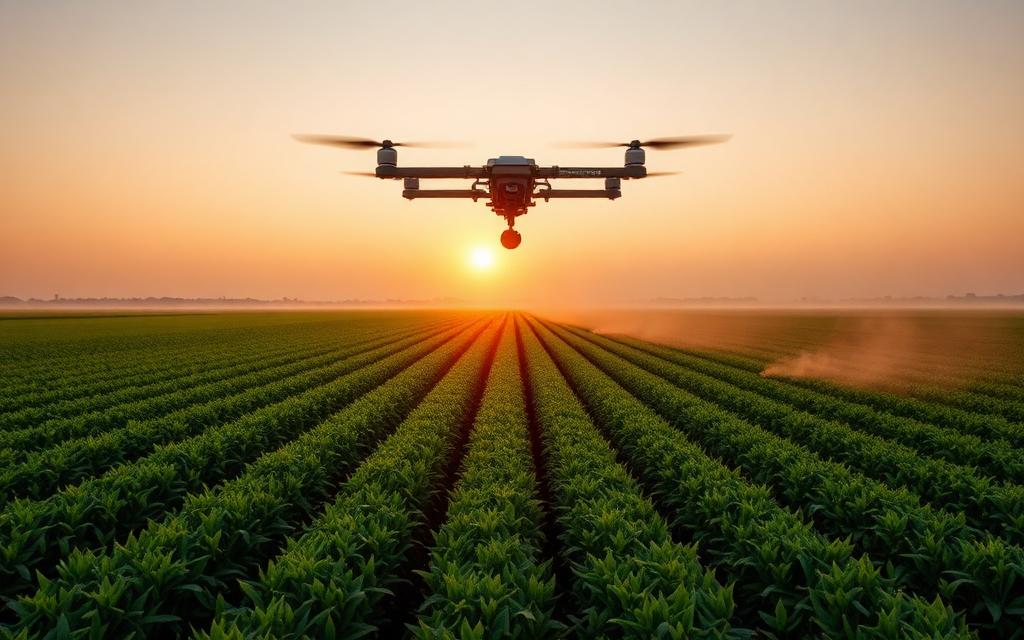
Precision Agriculture
Heavy-lift spray rigs and multi-acre scout patterns. Burn pixels, not airframes.
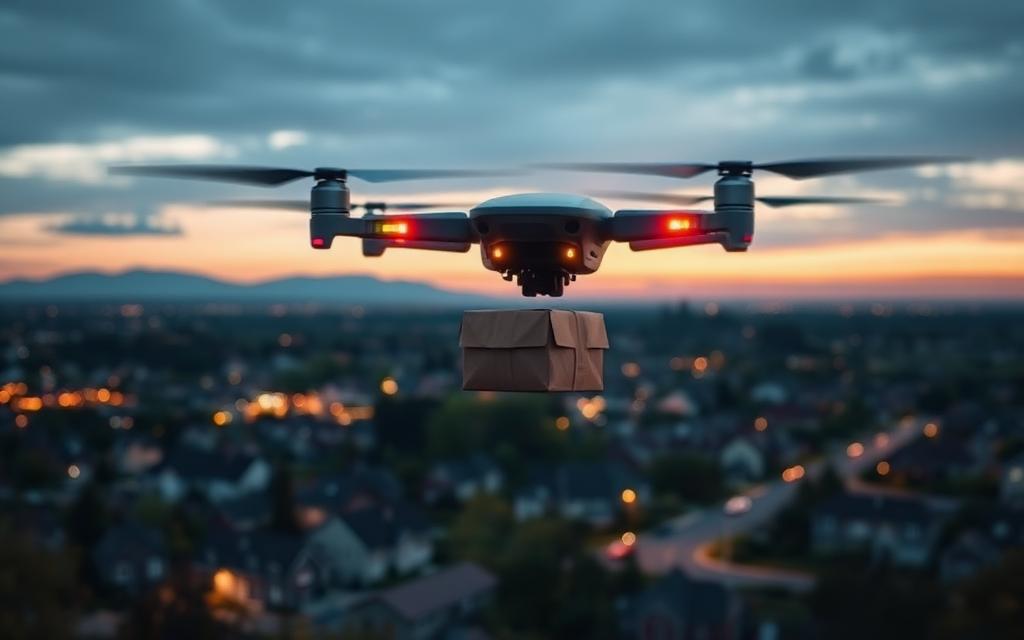
BVLOS Delivery
DAA reaction drills, lost-link procedures, contingency planning, on rails.
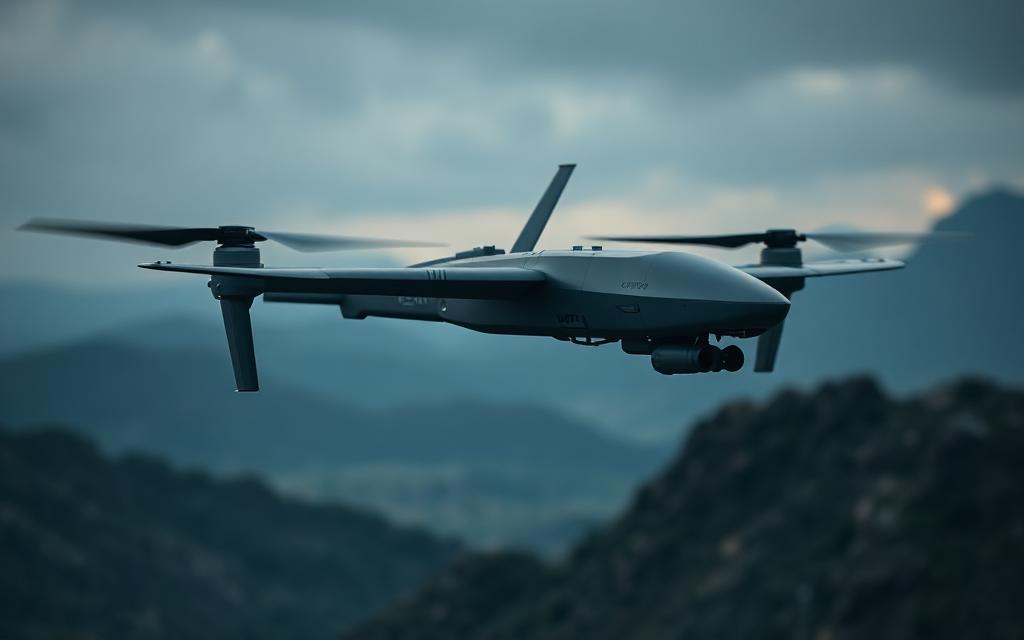
Defense & Tactical
Contested EM environments, GPS-denied nav, structured threat scenarios.
Find the right operator track
Whether you're standing up a flight department or upgrading your own skills, two questions get you pointed in the right direction.
What do you want to get better at?
BVLOS, certifications, and time-to-deploy
The questions enterprise flight departments and program managers ask before they sign.
What is BVLOS and why does it matter in 2026?
Beyond-Visual-Line-of-Sight (BVLOS) operations let a drone fly past where the operator can see it, the prerequisite for autonomous delivery, long-range inspection, and large-area SAR. FAA Part 108 (expected 2026) is the first rule that grants BVLOS at commercial scale without case-by-case waivers. Operators certified for Part 108 will be the bottleneck the entire industry hires against.
What certifications do my operators need?
FAA Part 107 remains the baseline Remote Pilot Certificate for any commercial drone work. Part 108 will add an advanced operator tier for BVLOS and autonomous missions. Our platform covers both: full Part 107 prep curriculum with practice exams today, plus Part 108-aligned mission scenarios so your crews are deploy-ready the day the rule takes effect.
How fast can we onboard a new operator?
Days, not months. A trainee can complete Part 107 coursework, log simulated mission hours anywhere on Earth, and run BVLOS contingency drills without waiting for clear weather, available airframes, or a chase pilot. Most physical flight schools quote 4–8 weeks per pilot. Our enterprise customers measure first-mission-ready in under two weeks.
How does simulation reduce time-to-deploy?
Three ways. (1) Parallel throughput, every seat is independent, so 50 operators can train simultaneously without 50 airframes. (2) Repeatable hard scenarios, lost-link, DAA conflicts, gust fronts, GPS-denied nav are practiced on demand, not waited for. (3) Risk-free reps, operators make their expensive mistakes in pixels before they ever touch a $40K LiDAR rig.
Will simulator hours count toward FAA currency requirements?
Part 107 currency is knowledge-based (recurrent training every 24 months) and our curriculum covers it directly. For Part 108 and operator proficiency standards, simulation hours are increasingly recognized in industry frameworks, and your training records, mission logs, and proficiency scores export via our API for audit trails and insurance documentation.
What about compliance, insurance, and audit trails?
Every simulated flight is logged with operator ID, mission type, scenario, and proficiency score. Records are exportable via the Developer API for LMS integration, insurer documentation, and FAA audit response. Enterprise plans include progress dashboards for training officers and webhook events for downstream HR or compliance systems.
Who already uses this kind of training?
Utility inspection teams (wind, solar, transmission), construction and survey firms running LiDAR grids, public safety and SAR agencies, precision agriculture operators, and BVLOS delivery programs. Anyone whose airframes cost more than a year of simulator seats, which is most of them.
Ready to scale
your drone workforce?
Volume pricing, custom mission scenarios, and operator progress dashboards for enterprise programs.